

US-Iran Talks Suddenly Delayed — Trump Extends Ceasefire as Pakistan Steps In
A last-minute decision has paused rising tensions, but major questions remain unanswered. With no clear timeline and key issues unresolved, the future of the conflict is still uncertain.
Ayesha
4/22/20263 min read
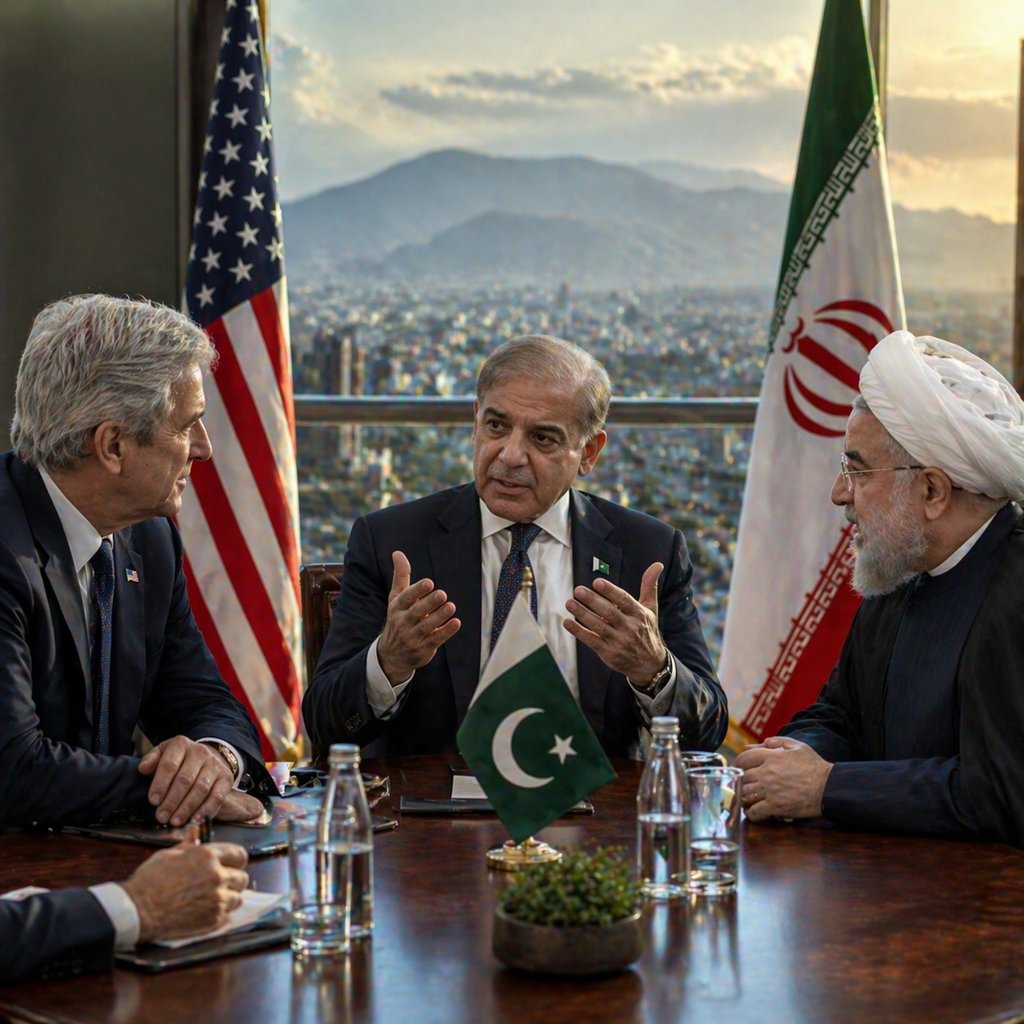
Ceasefire Extended as Peace Talks Face Sudden Delay
A high-stakes diplomatic effort between the United States and Iran took an unexpected turn as planned peace talks were postponed at the last minute. What began as a tense day in Washington quickly shifted direction when US President Donald Trump decided to extend the ongoing ceasefire with Iran, just hours before it was set to expire.
The move came amid growing uncertainty over whether both sides were ready to sit down and negotiate a long-term solution to the conflict.
Planned Islamabad Talks Put on Hold
US Vice President JD Vance was expected to travel to Islamabad for another round of negotiations, with Pakistan playing a central role as mediator. However, the visit never materialized.
There was no official confirmation of the trip, and Iran also did not clearly signal its participation. This created confusion within diplomatic circles and left US officials unsure whether the talks would proceed.
As the day progressed, it became clear that the negotiations would not take place as planned.
Trump Chooses Time Over Escalation
Instead of escalating tensions, President Trump opted to delay military action and extend the ceasefire. This marks the second time in recent weeks that he has stepped back from a potential escalation, choosing instead to keep diplomatic options open.
In a statement shared on social media, Trump said the decision was made after a request from Pakistan, which has been actively facilitating communication between Washington and Tehran.
The extension gives Iran additional time to present a unified proposal that could help end the conflict.
Unclear Timeline Adds to Uncertainty
Unlike previous announcements, this ceasefire extension does not come with a clear deadline. Earlier, Trump had set a two-week timeframe, but this time no specific duration was mentioned.
This open-ended approach has raised questions about how long the pause will last and whether meaningful progress can be achieved during this period.
Behind-the-Scenes Developments
Signs of a delay became evident when key members of the US negotiation team changed their travel plans. Senior officials, including special envoy Steve Witkoff and Jared Kushner, returned to Washington instead of heading toward Pakistan.
Vice President Vance also remained in Washington, attending internal policy meetings as discussions continued within the administration.
These developments indicated that the situation was still evolving and far from settled.
Experts Weigh In on the Strategy
Analysts believe the decision reflects a calculated move rather than a sudden change of heart.
Some experts suggest that the extension is aimed at reducing immediate tensions while exploring diplomatic solutions. Others point out that internal divisions within Iran may also be influencing the pace of negotiations.
However, there is also concern that the lack of a clear plan could prolong uncertainty.
Major Issues Still Unresolved
Despite the ceasefire extension, several key challenges remain:
Iran continues to oppose US actions in the Strait of Hormuz
No agreement has been reached on Iran’s nuclear program
Disputes over regional influence and proxy groups remain unresolved
These issues are considered critical by the US and are expected to be central in any future agreement.
Pakistan’s Growing Diplomatic Role
Pakistan’s involvement as a mediator highlights its increasing role in regional diplomacy. By facilitating dialogue between the US and Iran, Islamabad is positioning itself as a key player in efforts to reduce tensions in the Middle East.
This development has also drawn attention within Pakistan, as it reflects the country’s strategic importance on the global stage.
Economic and Political Pressure Mounts
The ongoing conflict has had a noticeable impact on global markets, particularly energy prices. At the same time, domestic pressure within the US is growing, with concerns about economic strain and political consequences.
The decision to extend the ceasefire may also be influenced by these factors, as the administration looks to avoid further escalation.
What Happens Next?
While the ceasefire provides temporary relief, the path forward remains uncertain. Both sides now have more time to negotiate, but there is no guarantee that a lasting agreement will be reached.
For now, the situation remains fluid, with the world watching closely for the next move.
Our audience means everything to us.
Have feedback or suggestions to make us better? We’re always listening—feel free to get in touch with us at ayesha@truthorahub.com