

Islamabad & Rawalpindi on High Alert Ahead of Peace Talks as Pakistan Deploys 7,000 Police
Pakistan tightens security in Islamabad and Rawalpindi with 7,000 additional police, transport shutdowns, and enhanced surveillance ahead of expected peace talks.
Ayesha
4/19/20264 min read
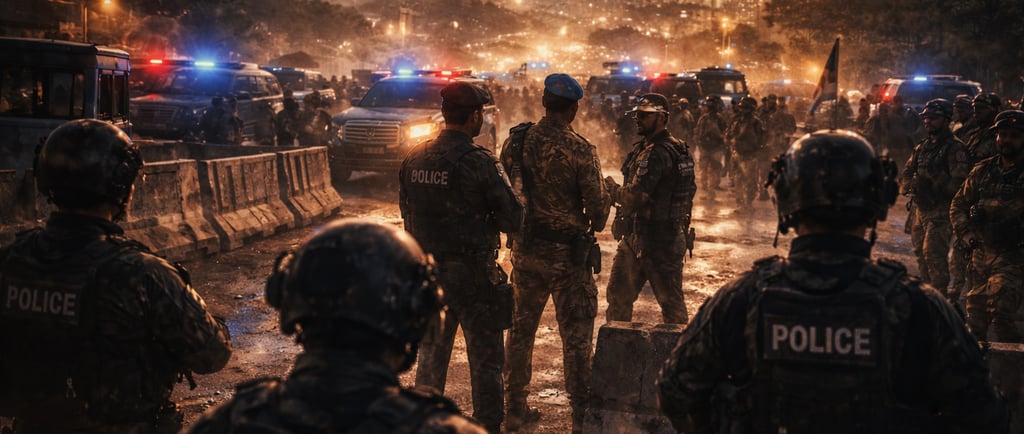
Pakistan Places Islamabad & Rawalpindi on High Alert Ahead of Crucial Peace Talks
ISLAMABAD – Pakistan has significantly strengthened security measures in the twin cities of Islamabad and Rawalpindi in anticipation of a potential second round of high-stakes peace talks involving key international stakeholders. Authorities have moved swiftly to ensure maximum preparedness, deploying thousands of additional personnel, tightening surveillance, and implementing strict administrative controls across both cities.
Massive Security Deployment Across Twin Cities
In response to growing security demands, officials have requested approximately 7,000 additional police personnel from Punjab. Sources indicate that around 3,000 officers have already been deployed in Islamabad, while the remaining force is being mobilized in phases from various districts.
Senior officials revealed that a late-night high-level meeting was convened to assess the security landscape, identify vulnerabilities, and finalize operational plans. During the meeting, it was acknowledged that existing manpower was insufficient to handle the heightened risk associated with the expected arrival of foreign delegations.
To accommodate the incoming security forces, arrangements have been made at multiple government facilities, including Liaquat Gymnasium and educational institutions in Islamabad’s F-7 sector. In addition to police reinforcements, paramilitary units such as Rangers and the Federal Constabulary have also been deployed to bolster the overall security framework.
Enhanced Surveillance and Checkpoints
Authorities have intensified monitoring across the capital, launching extensive search operations and setting up additional checkpoints at strategic locations. Security has been tightened at entry and exit points, major roads, sensitive installations, and government buildings.
Law enforcement agencies are working closely with intelligence units, including the Special Branch and Counter Terrorism Department, to enhance surveillance in high-risk areas. These include informal settlements, suburban neighborhoods, forested zones, and transport hubs.
Officials have also directed intelligence agencies to maintain continuous monitoring to detect and neutralize any potential threats before they materialize.
Infrastructure and Logistics Prepared for Diplomatic Movement
To ensure smooth movement of diplomatic convoys, authorities have expedited repair and maintenance work on key routes, particularly the Islamabad Expressway. This road serves as a critical link between Nur Khan Airbase and the Red Zone, where most official engagements are expected to take place.
The goal is to eliminate traffic bottlenecks and ensure seamless, secure transit for visiting delegations.
Strict Monitoring of Hotels and Guest Houses
As part of the comprehensive security plan, hotels and guest houses in Islamabad are now under strict surveillance. Authorities have accelerated the process of verifying guest records and ensuring compliance with security protocols.
This measure is aimed at preventing unauthorized stays and ensuring that all individuals residing in the capital during this sensitive period are properly documented.
Rawalpindi Takes Additional Measures
In Rawalpindi, the administration has implemented even stricter measures. All major public transport terminals have been ordered to shut down for a period of 10 days, with restrictions expected to remain in place until April 26.
This decision was taken after detailed consultations involving district authorities, traffic police, the Regional Transport Authority, and representatives from transport unions. Over 100 stakeholders participated in the discussions, reflecting the seriousness of the situation.
Authorities have also indicated that smaller bus stands may be closed if required, while inter-city buses and coaches could be restricted from entering Rawalpindi depending on the evolving security environment.
Transport officials emphasized that these steps are purely precautionary and are intended to minimize risks during a critical period.
Public Cooperation Urged
Transport union representatives and officials have urged citizens to cooperate with authorities and adhere to temporary restrictions. They stressed that these measures are necessary to ensure public safety and facilitate smooth execution of security plans.
While the shutdown of transport services may cause inconvenience, officials maintain that the safety of citizens and visiting dignitaries remains the top priority.
Diplomatic Context Behind Security Measures
The heightened security comes in the backdrop of Pakistan’s increasing role in facilitating dialogue between global powers. The country recently hosted diplomatic engagements involving the United States and Iran, which drew significant international attention.
Sources suggest that Islamabad may soon host a second round of talks, although the Foreign Office has not officially confirmed any schedule. Nevertheless, preparations indicate that authorities are taking no chances in ensuring a secure environment for any potential negotiations.
A Strategic Move for Regional Stability
Pakistan’s proactive approach reflects its commitment to playing a constructive role in regional peace efforts. By implementing extensive security measures, the government aims to provide a safe platform for dialogue and prevent any disruptions.
Analysts believe that the success of such diplomatic engagements could enhance Pakistan’s global standing and reinforce its image as a responsible and capable mediator in international affairs.
Balancing Security and Daily Life
Despite the heavy security presence, authorities are working to minimize disruption to daily life as much as possible. However, certain restrictions, particularly related to transport and movement, are unavoidable given the scale of the operation.
Citizens have been advised to plan their travel accordingly and stay updated with official announcements to avoid inconvenience.
Conclusion
The sweeping security arrangements in Islamabad and Rawalpindi highlight Pakistan’s readiness to handle a sensitive and high-profile diplomatic phase. With thousands of additional personnel deployed, transport hubs closed, and surveillance intensified, the government is leaving no stone unturned to ensure a secure environment.
As the possibility of crucial peace talks looms, all eyes are now on Islamabad. The coming days will be critical, not only for regional stability but also for Pakistan’s role on the global diplomatic stage.
Our audience means everything to us.
Have feedback or suggestions to make us better? We’re always listening—feel free to get in touch with us at ayesha@truthorahub.com